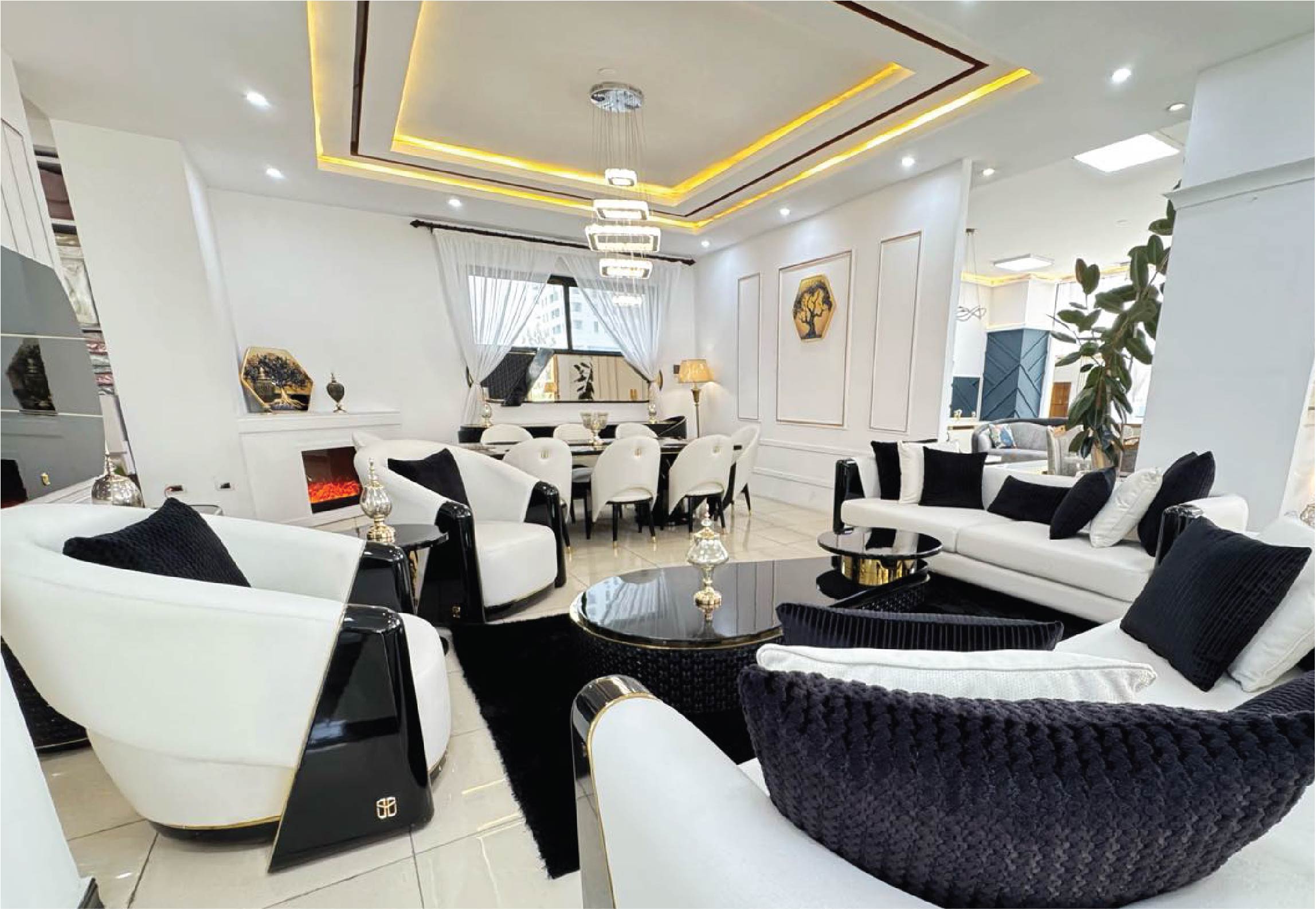
Designing a living room is not about filling space with furniture. It is about making the room usable every day without feeling crowded, empty, or confusing. In many Ethiopian homes, especially in Addis Ababa apartments, the main problem is not lack of furniture—it is poor layout decisions.
This guide focuses on practical design choices that improve comfort, movement, and visual balance without unnecessary decoration.
Start with Function, Not Furniture
Before buying anything, define how the room will be used.
Most living rooms in Ethiopian homes serve 3 roles:
- Receiving guests
- Daily family sitting
- Watching TV or relaxing
If you skip this step, you end up buying random pieces that don’t work together.
A good living room always starts with one question:
How many people actually use this space daily?
Sofa Placement Defines Everything
The sofa is the center of the living room. Everything else depends on it.
Common mistakes:
- pushing everything against walls
- buying oversized sofas for small rooms
- ignoring walking space
Better approach:
- place sofa first
- then build around it
- always leave clear walking paths
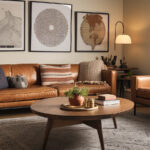
In smaller Addis Ababa rooms, an L-shaped sofa or compact 3-seater usually works best because it saves space while still offering enough seating.
Keep Layouts Open, Not Packed
One of the biggest design mistakes is overfilling the room.
A modern living room should have:
- visible floor space
- clear walking routes
- minimal blocked corners
Empty space is not wasted space. It improves comfort and makes the room feel larger.
Coffee Tables and Side Furniture (Keep It Minimal)
Many homes add too many small items:
- multiple tables
- extra chairs that are never used
- decorative pieces blocking movement
A better setup:
- 1 coffee table only
- optional 1–2 side tables if needed
- nothing more unless space allows
Function first, decoration second.
Lighting Changes Everything
Most living rooms in Ethiopia rely only on a central light. That makes the room flat and dull.
Better approach:
- use warm lighting instead of harsh white light
- add corner lighting if possible
- allow natural light during the day
Lighting affects how expensive and comfortable a room feels more than furniture does.
Small Living Room Strategy (Very Important)
For compact apartments:
- use lighter color furniture
- avoid bulky armrests
- choose raised-leg sofas (creates visual space)
- keep furniture close but not touching walls
Do not try to “fill” the room. That makes it worse.
Large Living Room Strategy
If the room is big, the mistake is the opposite: leaving it empty.
Fix this by:
- creating zones (sitting area + TV area)
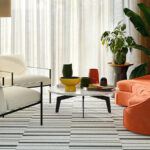
- using rugs to define space
- adding secondary seating only where needed
Large rooms need structure, not more furniture.
What Modern Actually Means Here
“Modern” in Ethiopian homes is not about expensive imported designs.
It simply means:
- clean layout
- fewer unnecessary items
- functional furniture
- easy movement inside the room
If the room feels easy to live in, it is modern.
Final Reality
A good living room is not judged by how full it looks. It is judged by:
- how easy it is to move inside
- how comfortable it feels daily
- how quickly someone can sit, relax, and use the space
Most improvements come from removing mistakes, not adding more furniture.
Payless Furniture Zone
Janmeda, Near Arada Manufacturing College, Addis Ababa, Ethiopia
+251 91 310 7419
contact@paylessfurniturezone.com
www.paylessfurniturezone.com